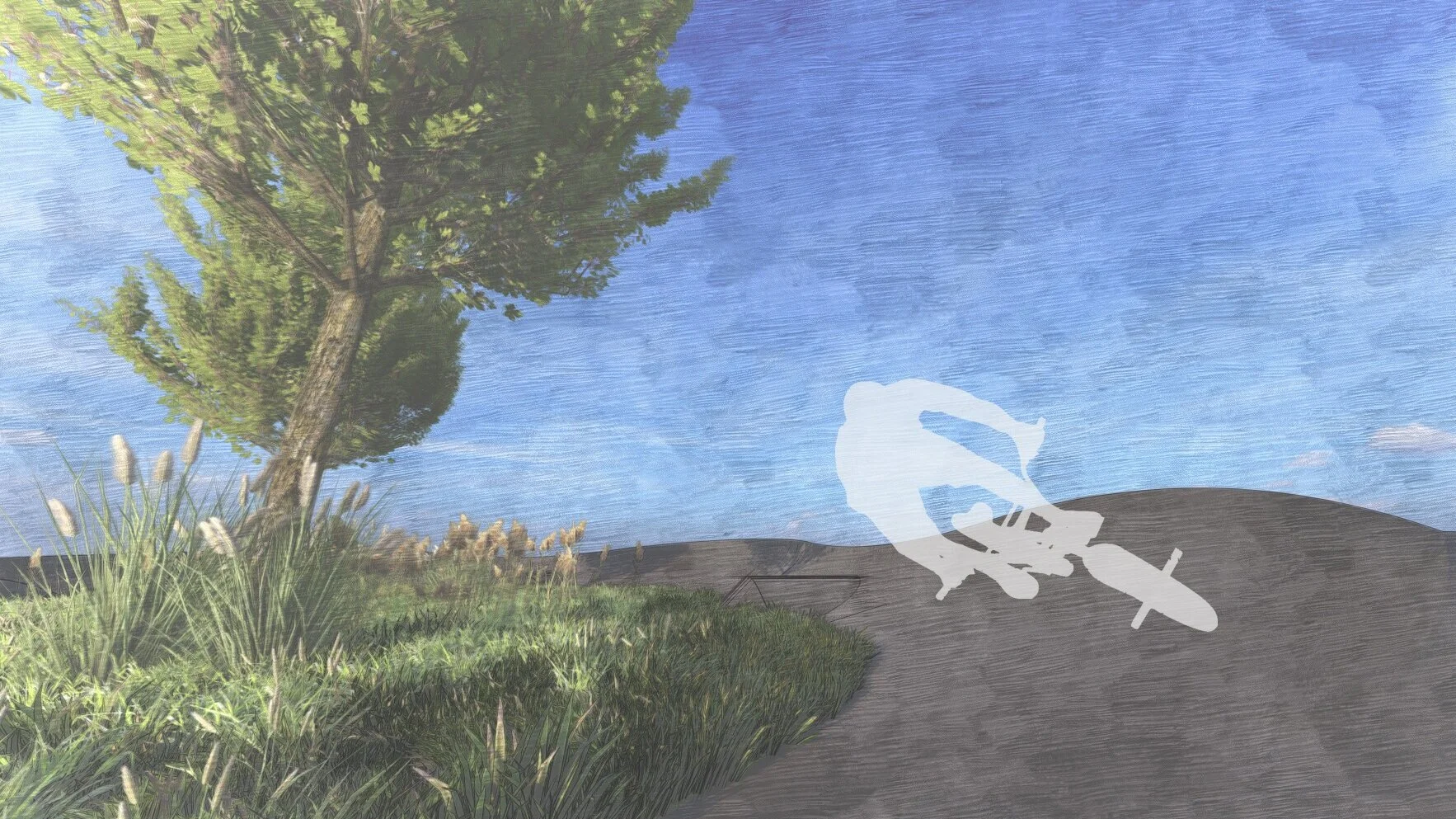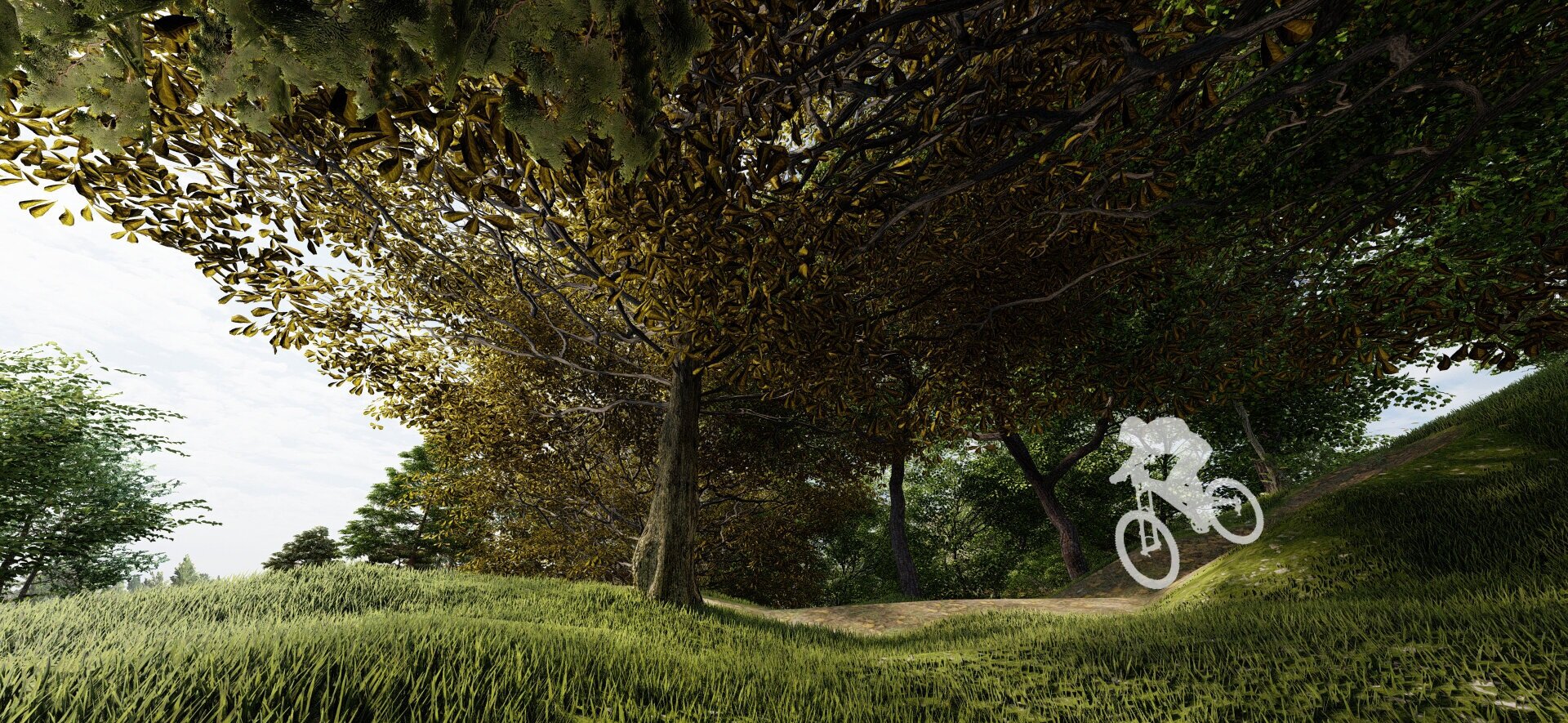
The Golden Commute
Sustainable practice in everyday life, encouraging activity & reenvisioning of a mundane practice, all through a healthy sustainable pursuit
The Coors Banquet Beer Company has been foundational in the economical, social and environmental development of the City of Golden, CO.
With the proposed removal of this institution, there is an opportunity to redefine the town at it’s most basic level. In recent years, Golden has become long sought after for the access to outdoor activities and natural beauty, and specifically action sports & the mountain biking community has created a stronghold within the city; both due to the presence of multiple prominent bike companies headquartered in town as well as a bolstering local trail system.
All factors considered, an enhanced trail system promoting city-wide and local travel via bicycle, from road to gravel to mountain, as well as action sports park is proposed, with the primary directive of both being focused on sustainability through patronage.
Golden has the potential to be a gleaming example for what an American city can be; environmentally conscious, active and healthy.
Trail Network Expansion
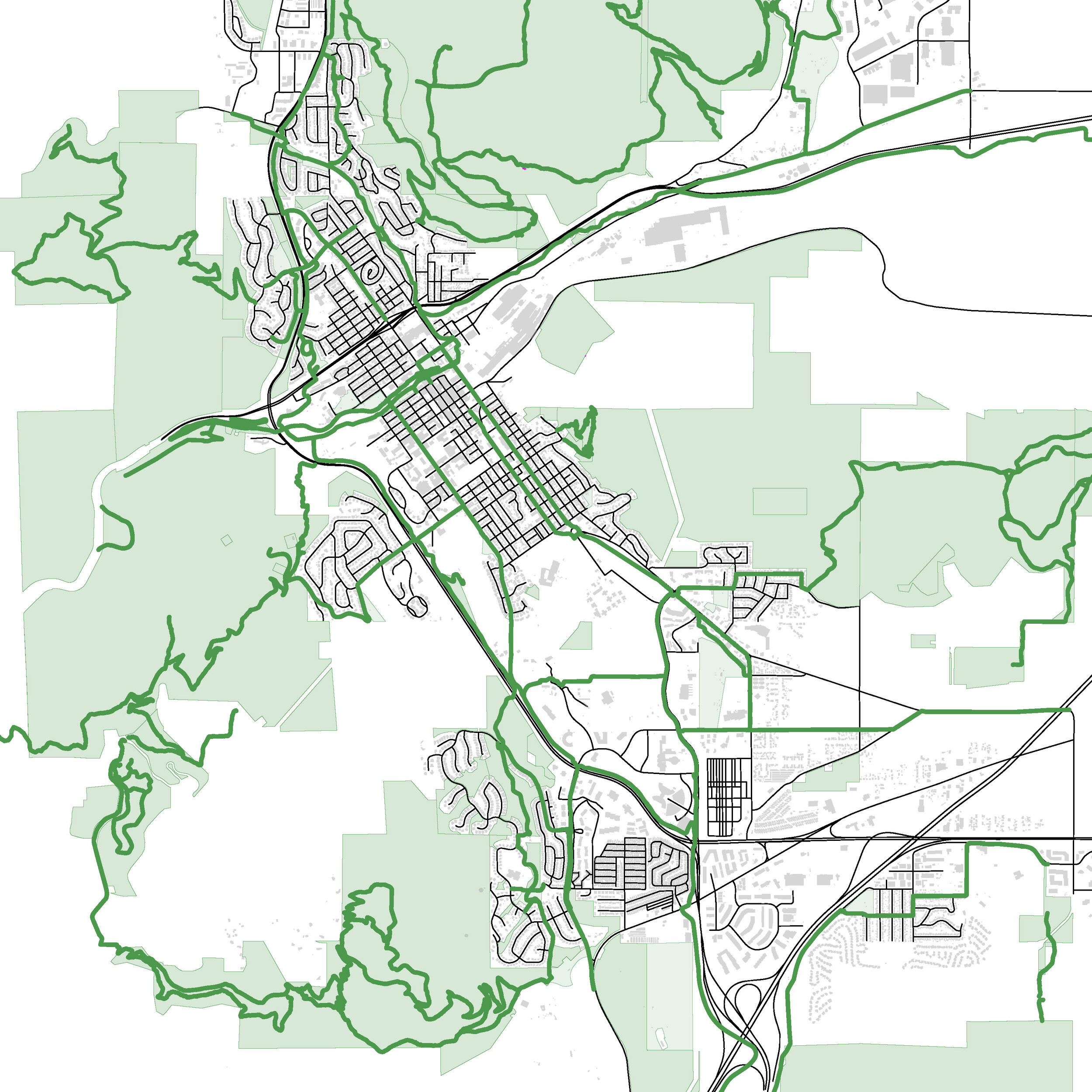
Existing
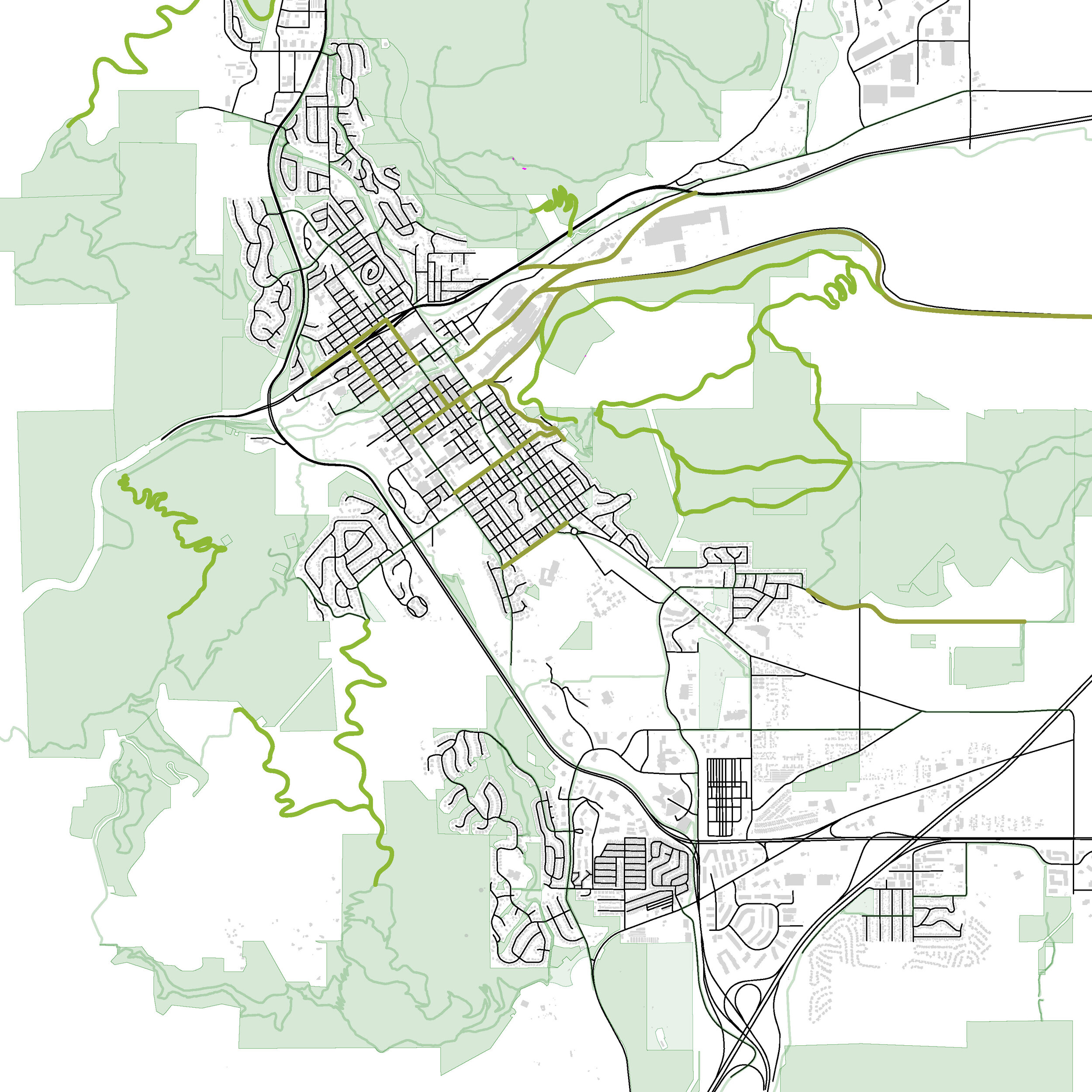
Proposed
Local Trails
Introducing a more comprehensive trail system on an inter-city scale would encourage local commuters to use alternative forms of transportation, all the while developing community from an active, healthy and sustainable commonality. Safety for cyclists would be increased, and with the multitude of possible routes there is added variety on a daily basis to a typically mundane commute. From gravel to asphalt to rocks, trails will encourage a variety of user groups to select their own means of getting into town; whether you are looking to bomb down a mountain on the way to work, or pedal down a bike path, the proposed trails offer something for everybody.
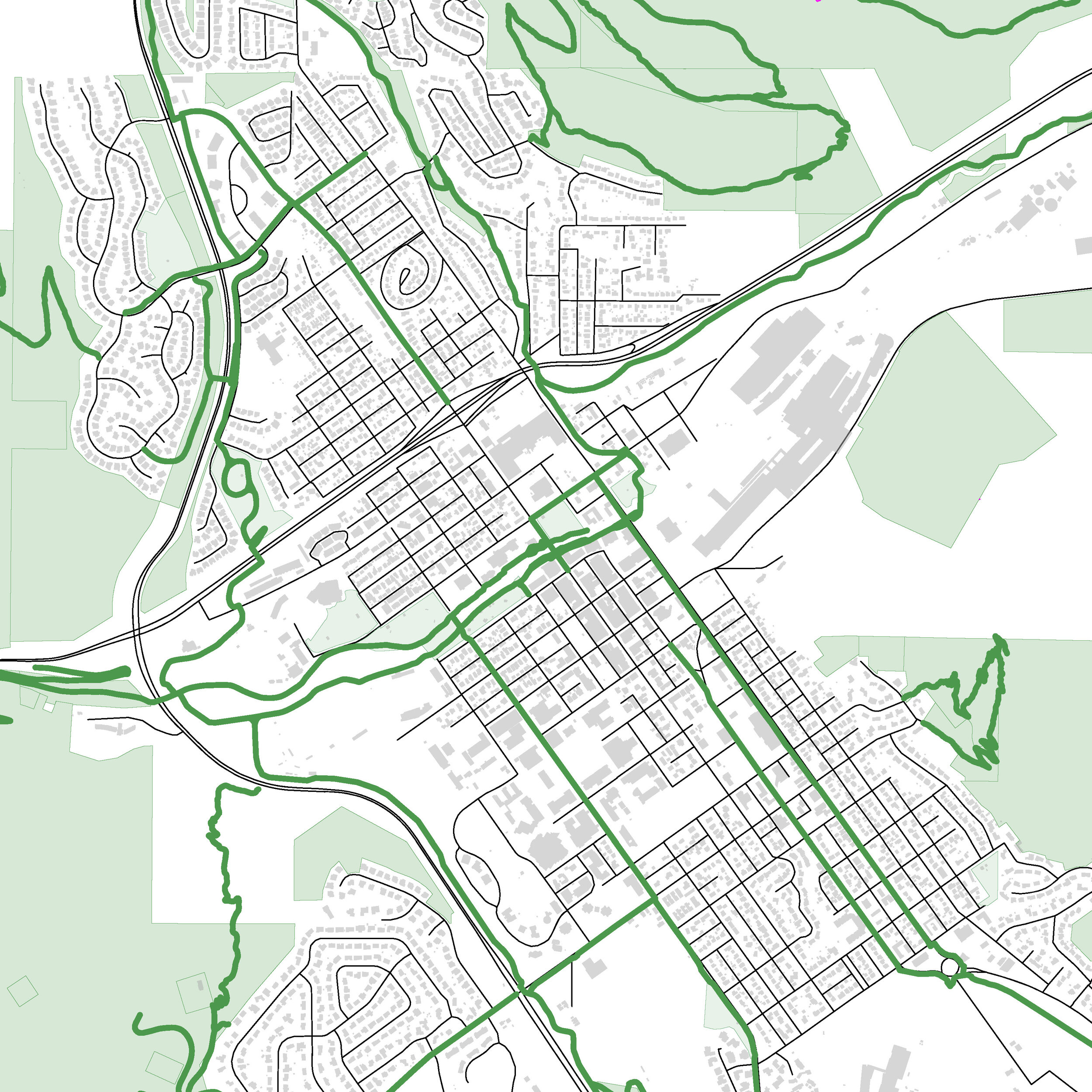
Existing
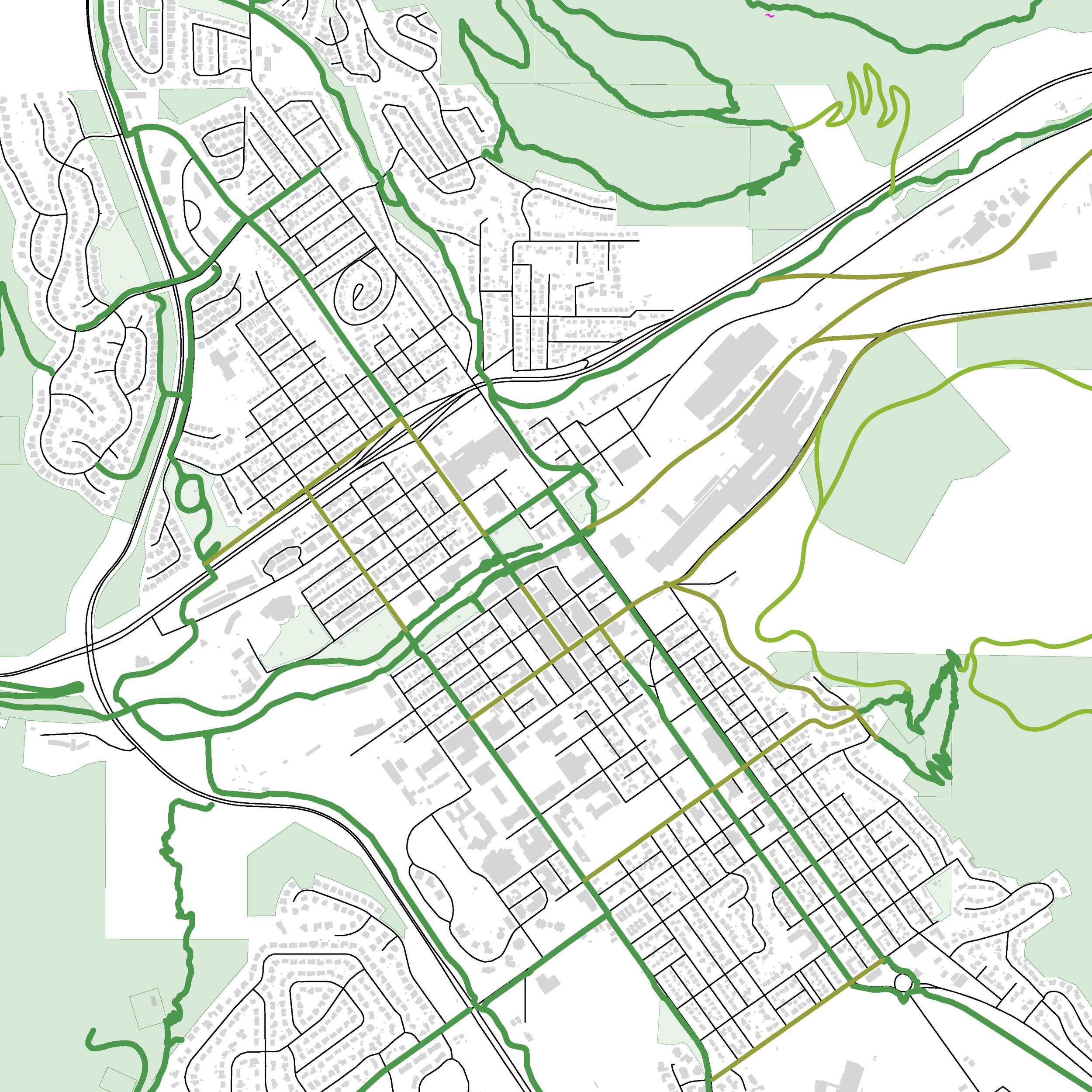
Proposed
City Trails
The trail system on a city-wide level is competent, but lacks connectivity and specific programming to increase access to attractive areas. The proposed trails seek to patch these gaps in existing infrastructure and increase fluidity of travel both to and around town. If 10,000 people were to use bicycles instead of cars for travel around town, it would save upwards of 250,000 lbs of CO2 emissions on a daily basis.
Sustainable Trail Development
Almost as important as creating a network capable of offsetting commuters in a significant way is developing the trails in a robust manner, minimizing impact on the environment and a consistently hardiness that requires little maintenance in the years to come. From trail placement, to shaping, to proper community engagement and funding, the breadth of effective sustainability in trails may be wide, but done properly can be very successful.
While action sports often receive a bad reputation for ignoring and potentially damaging the natural world, it is posited that the consciousness towards the natural world that it is capable of bringing people greatly offsets any such damage. The exact features and characteristics of mountain bike trails are site specific on a very small scale, so instead of exacting every aspect of the proposed trails, a set of principles are provided in order to sustainably create and maintain these trails.
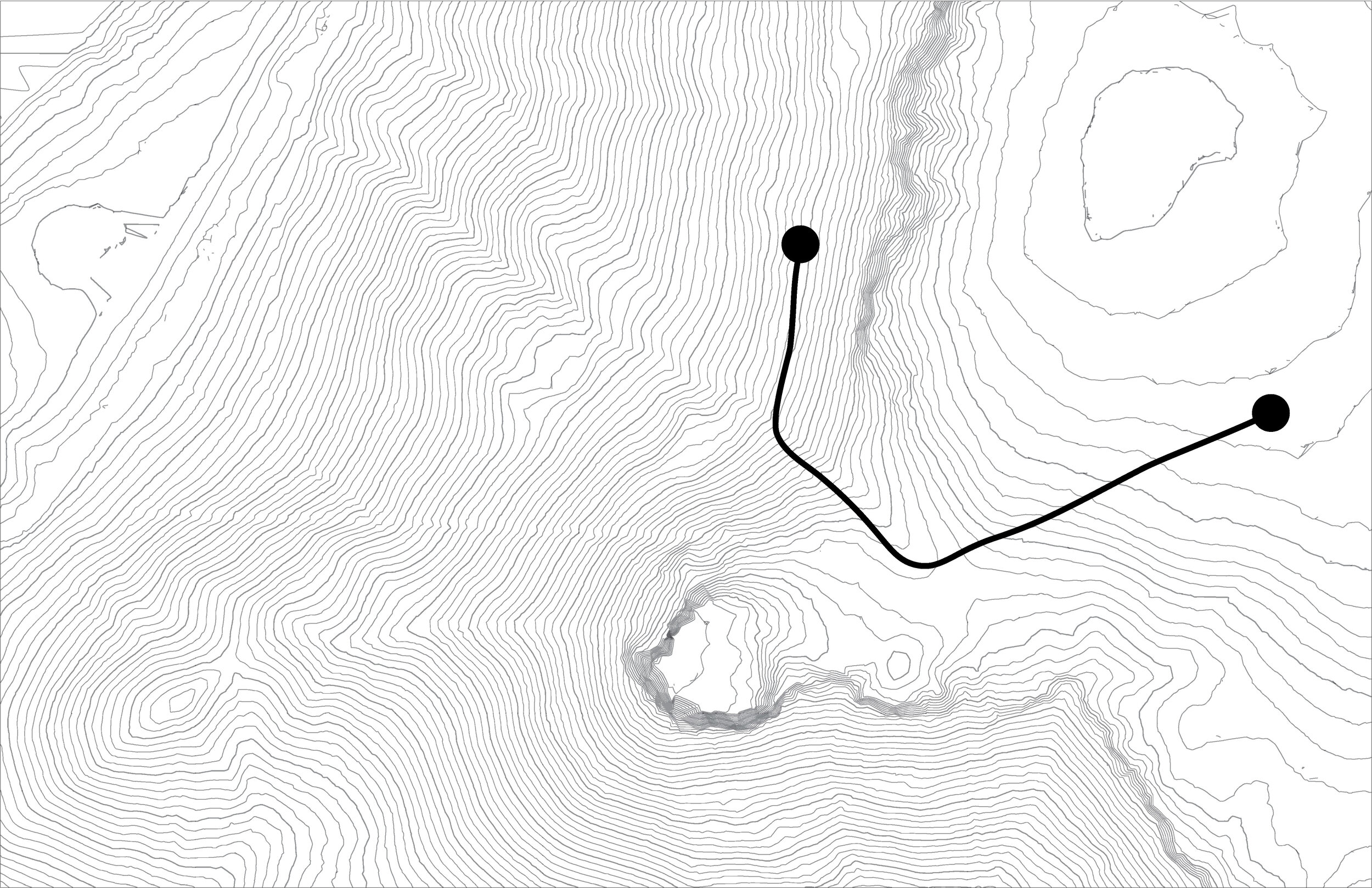
Poor Practice
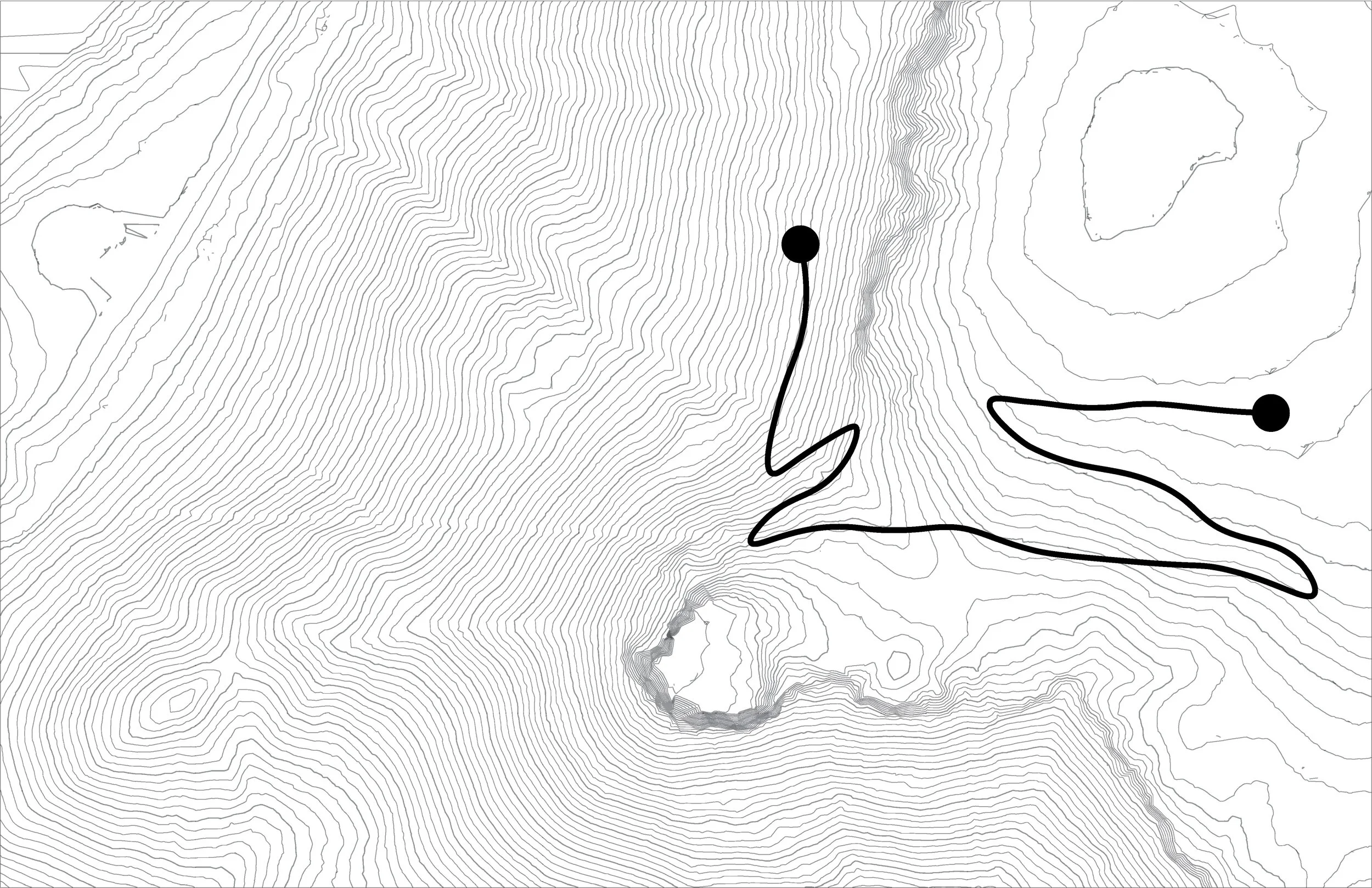
Good Practice
Trails Follow Contour
One critical design intent in selecting corridors is allowing the trail to be informed by contour. Steep, fall-line trails often channel water into themselves, increasing degradation of the trail and it’s surrounding environment. Trails that follow contour and include grade reversals near natural drainage paths and work with the shape of the land not only minimizes impact but provide a much smoother, more naturally transitioning trail.
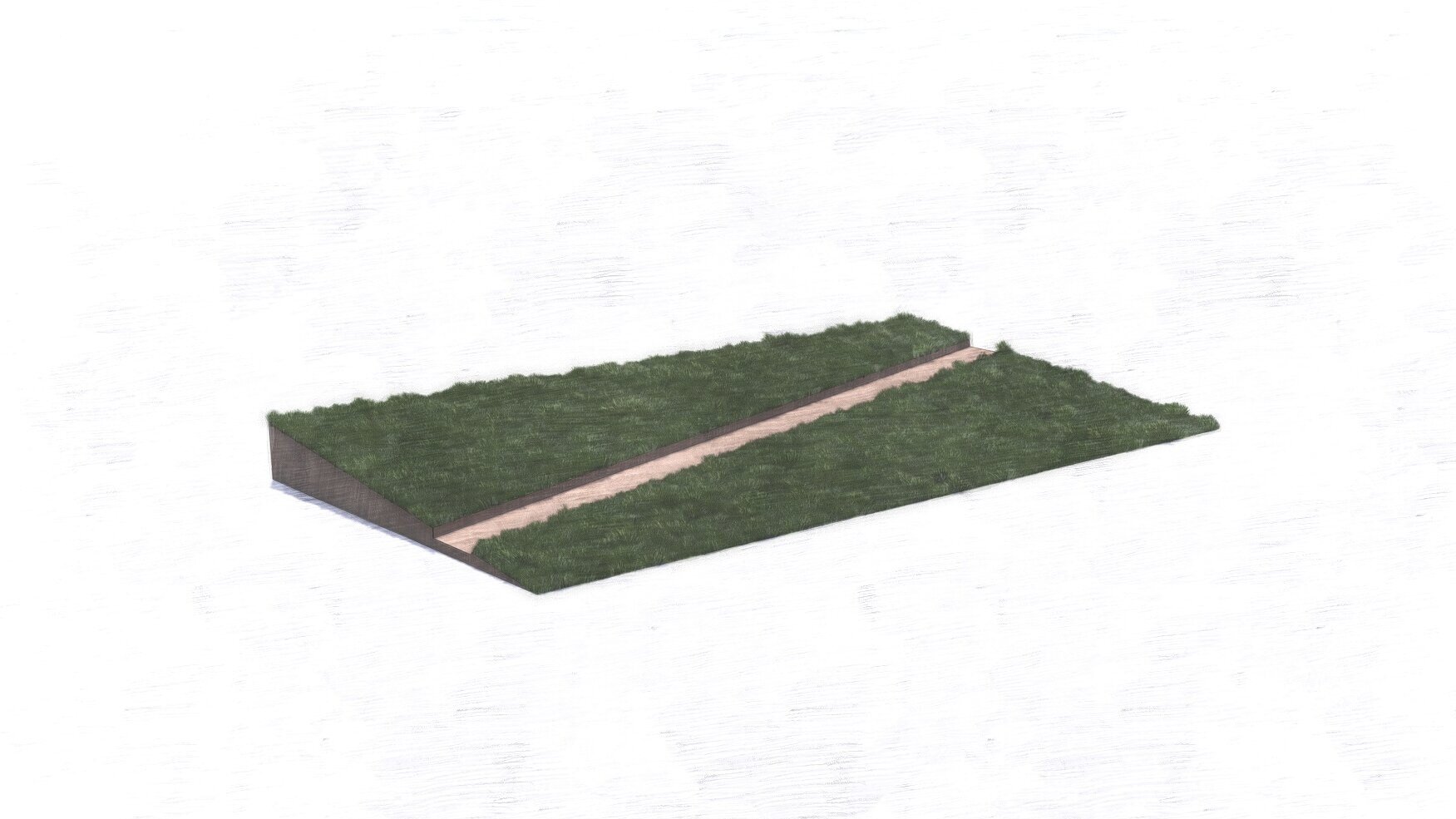
3% Trail Grade : 12% Cross-slope
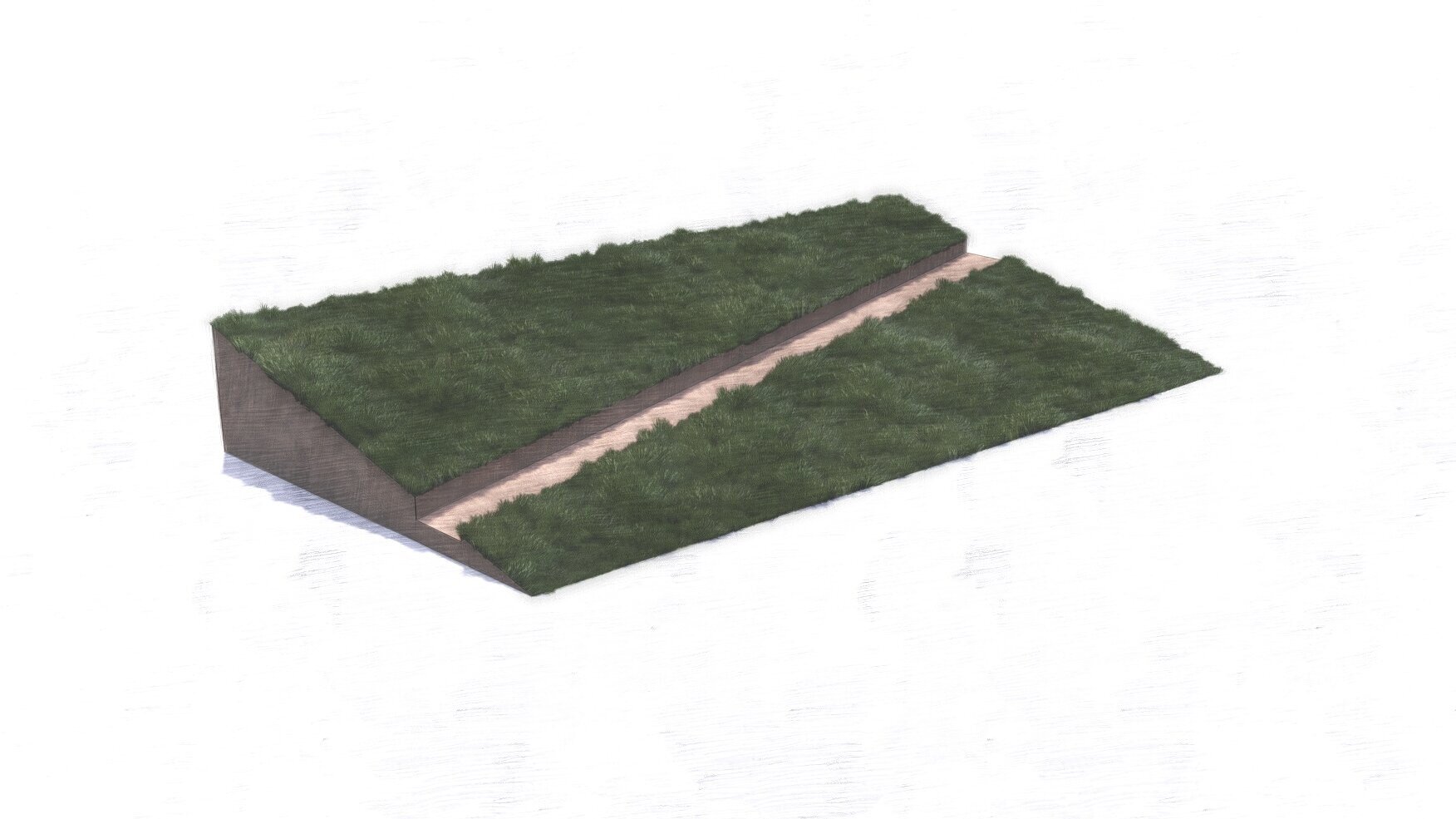
6% Trail Grade : 25% Cross-slope
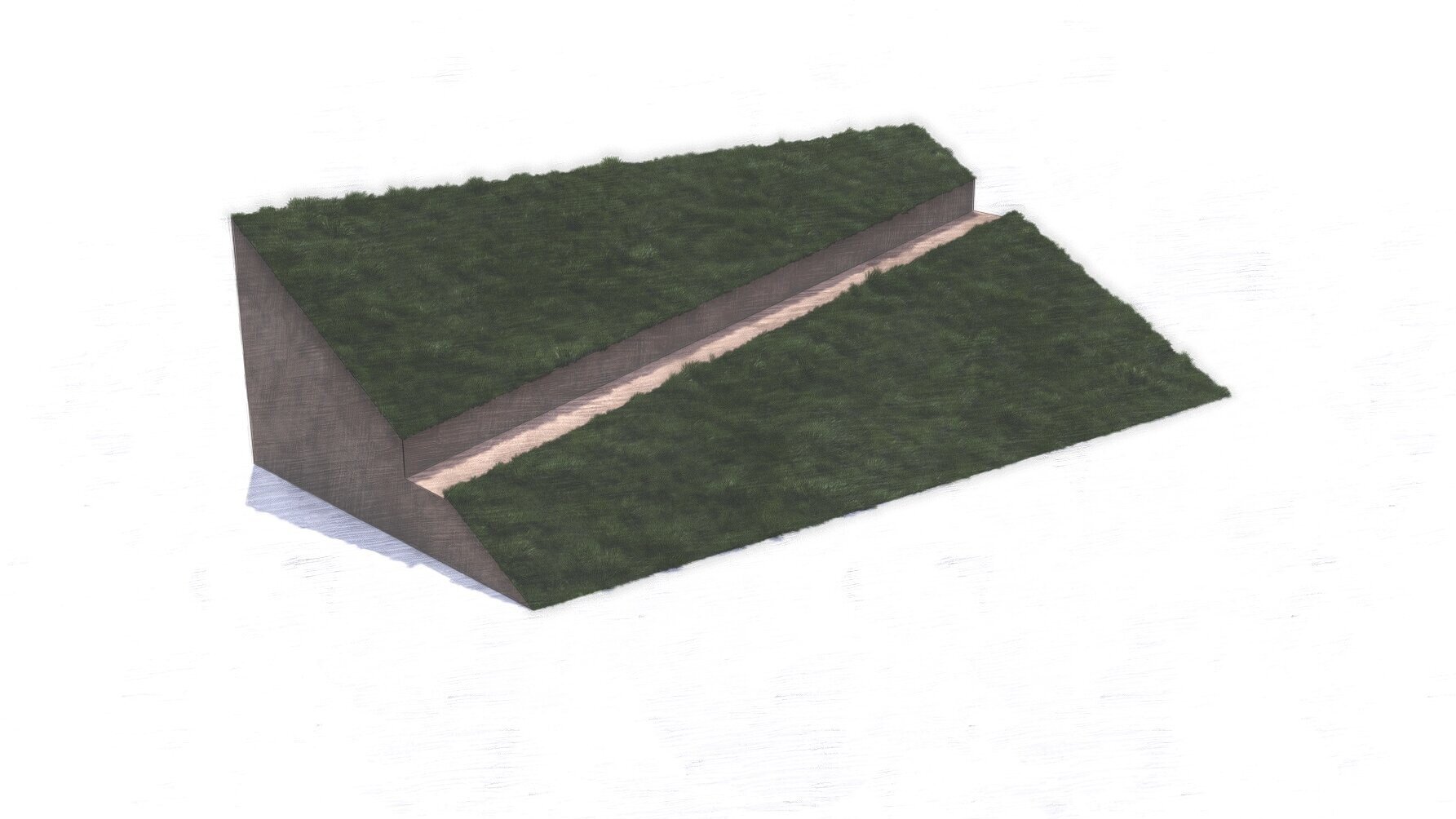
10% Trail Grade : 50% Cross-slope
Trail Grade and Cross-slope
To preserve natural drainages and the longevity of the trail, in best practice trail slope should be proportional to the cross slope of any given section, encouraging water to flow directly over the trail versus down it. Allowing water to sheet in the direction that it allows for organic flow, lowers maintenance costs, and retains moisture in a manner more favorable to riding.
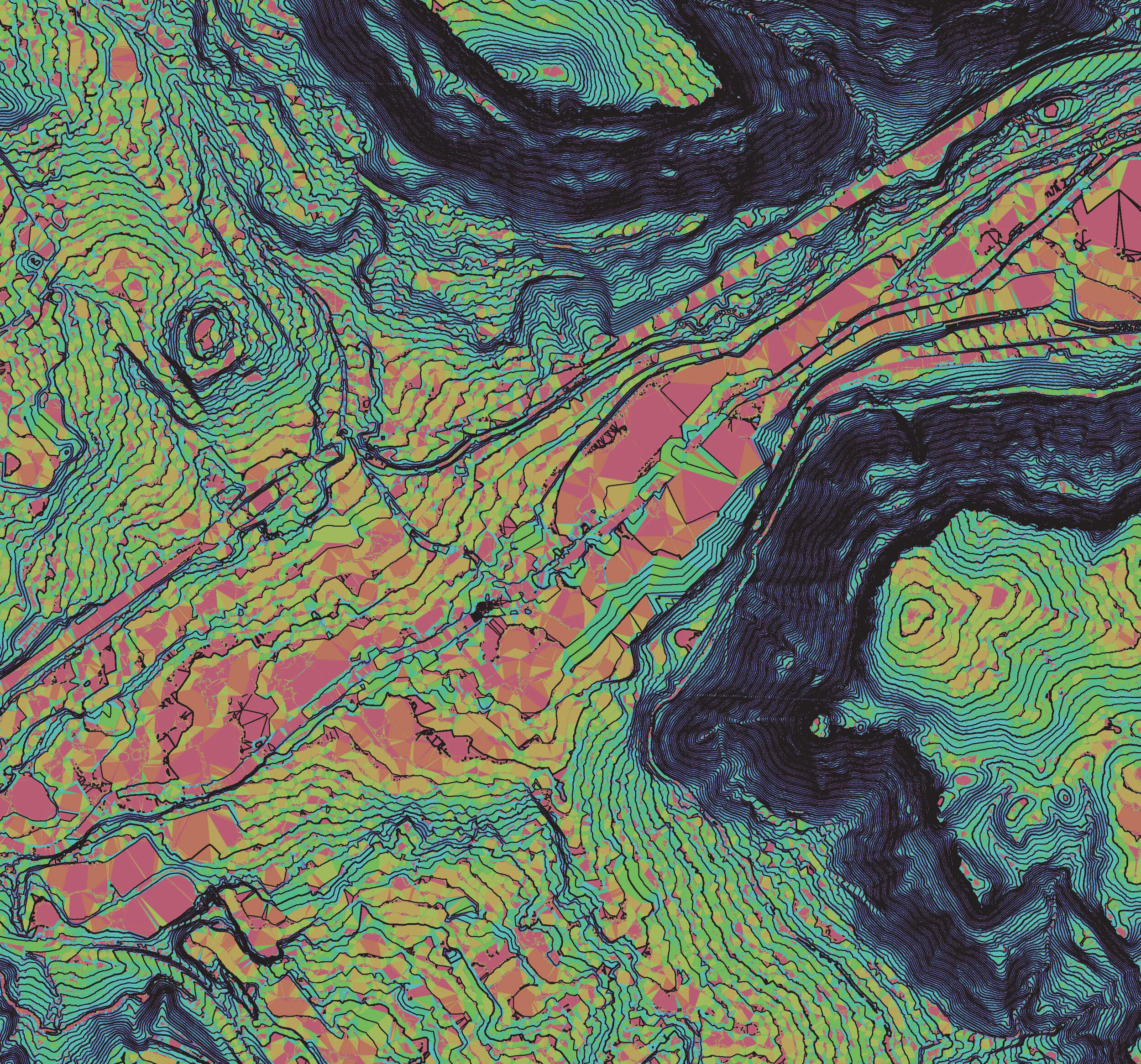
Slope Aspect Analysis
Slope aspect maps are very informative for determining trail selection and viability; by daisy-chaining similarly shaded aspects together, trails of a desired difficulty and slope can be spotted with as little fielding as necessary.
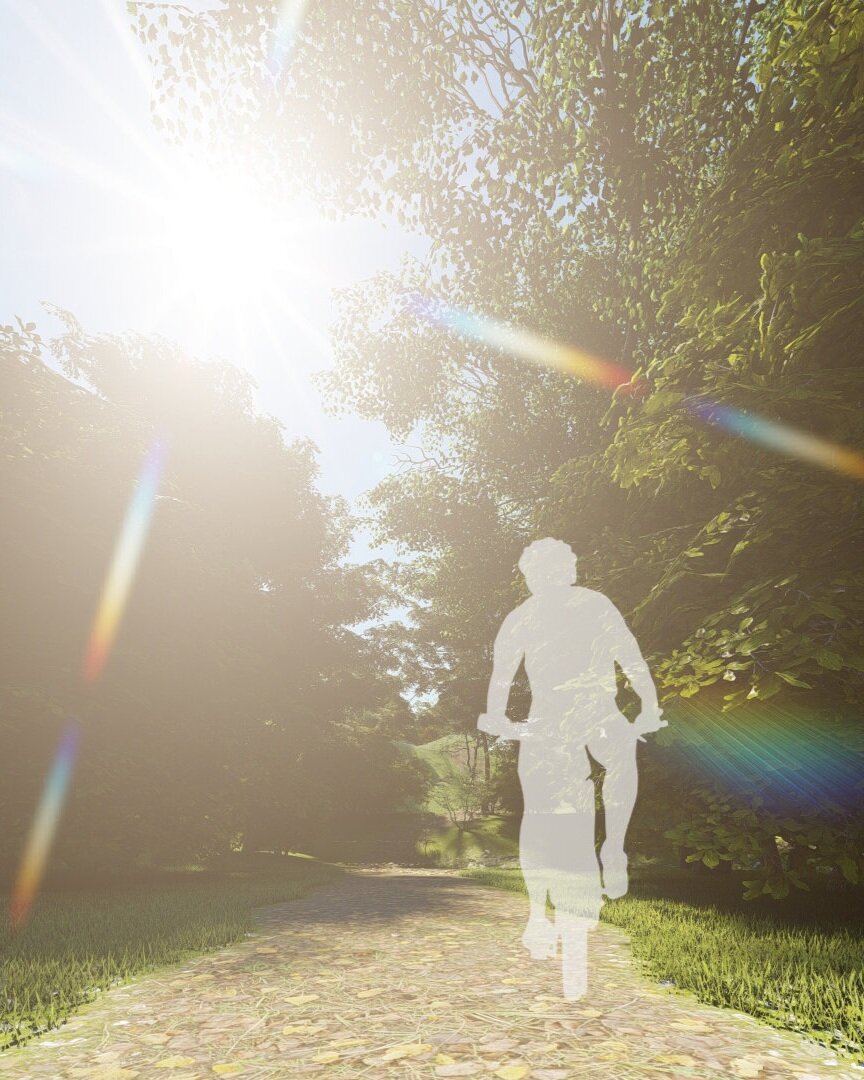
Cognitive Benefits
Nurtures self-expertise and development of individuality, within a context of a community that heavily promotes such values
Creates a platform for interaction and communication across all age groups, allows shared learning to take place
Provides practically endless opportunity for growth and improvement in the format of a lifelong skill
Encourages a very direct connection and appreciation of nature
Physical Benefits
Connects natural and human cycles; commuting and everchanging natural conditions
Advocates for active outdoor behavior
Promotes environmentalism and patronage through active engagement with nature
Creates an environment where the organic rhythm of nature can become tangible and experienced
Coors Action Sports Center
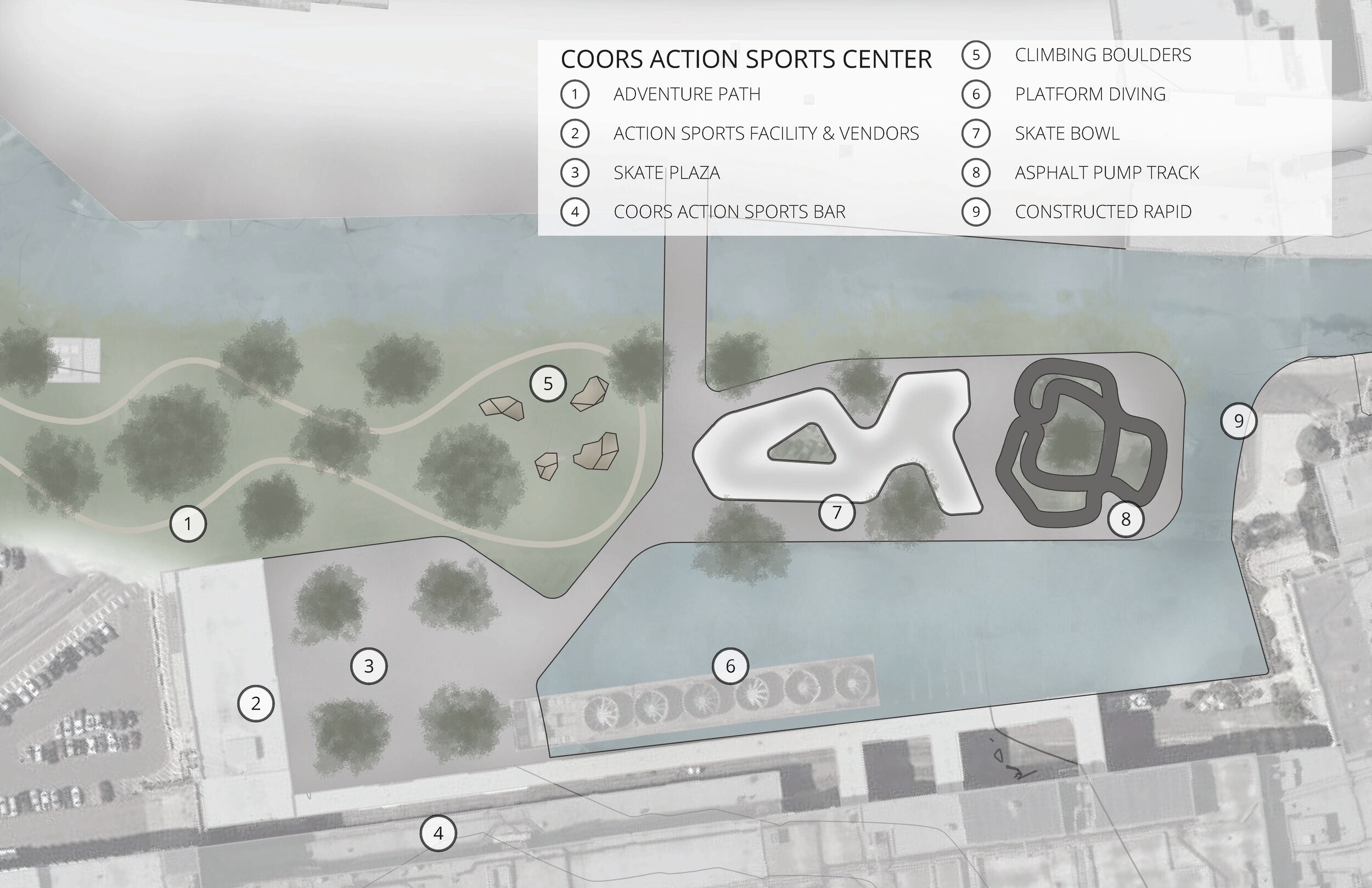
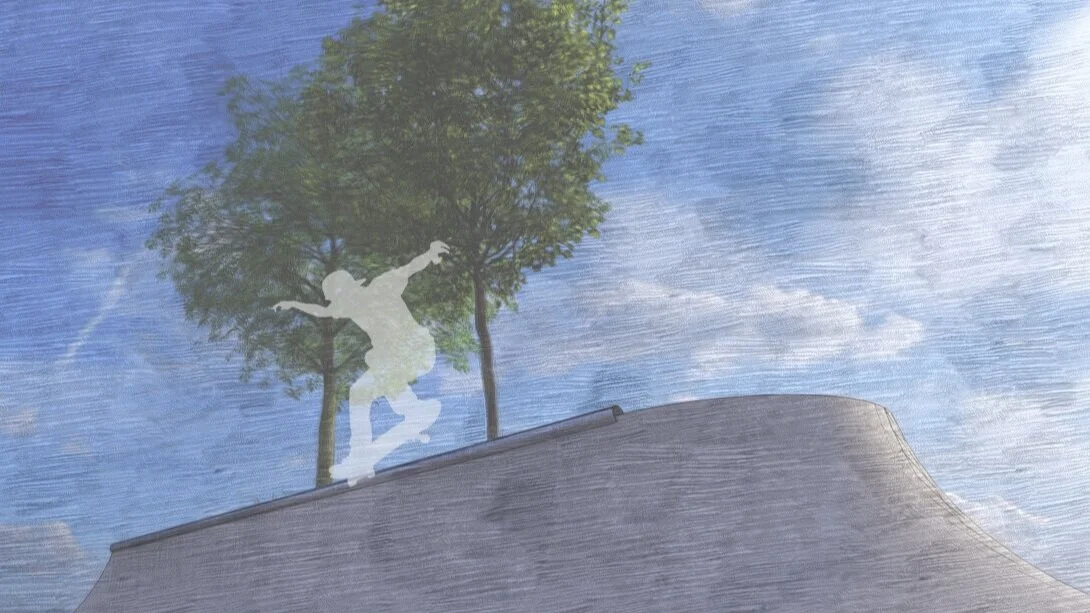
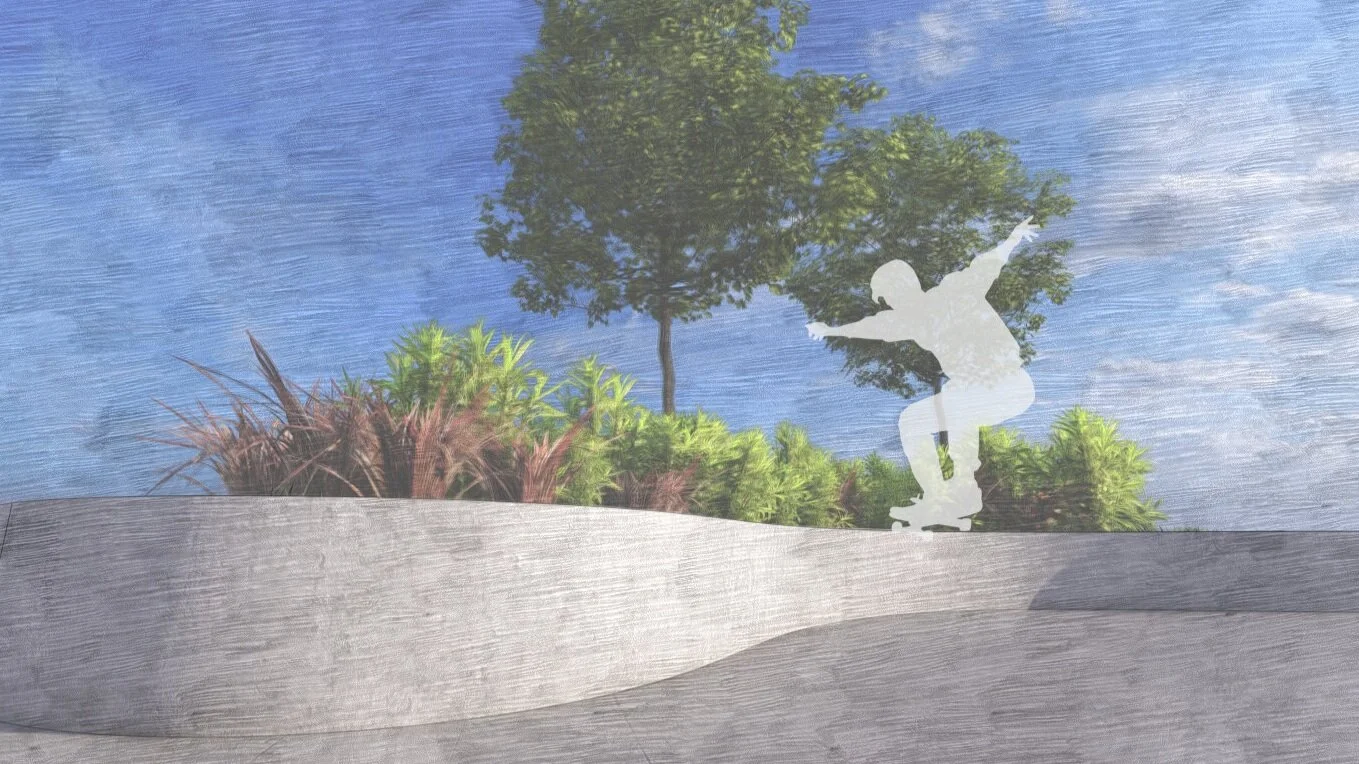
As more and more breweries begin sponsoring the action sports industry, this center would give Coors an explosive introduction into the scene, exhibiting themselves as being the forefront in both a myriad of action sport as well as the sustainable means of engaging in those sports. The center aims to break the stereotype that sports of this nature are inherently environmentally taxing, and offers a creative solution to the ‘concrete wasteland’ condition that is prevalent in today’s cities, all the while doing so facilitating the health and strengthening of local ecology.
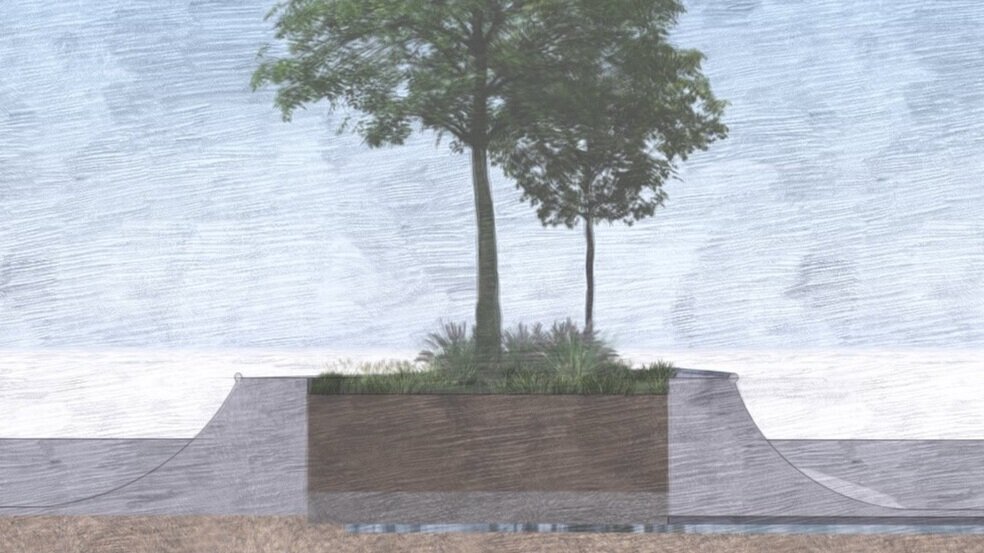
Sustainable Features
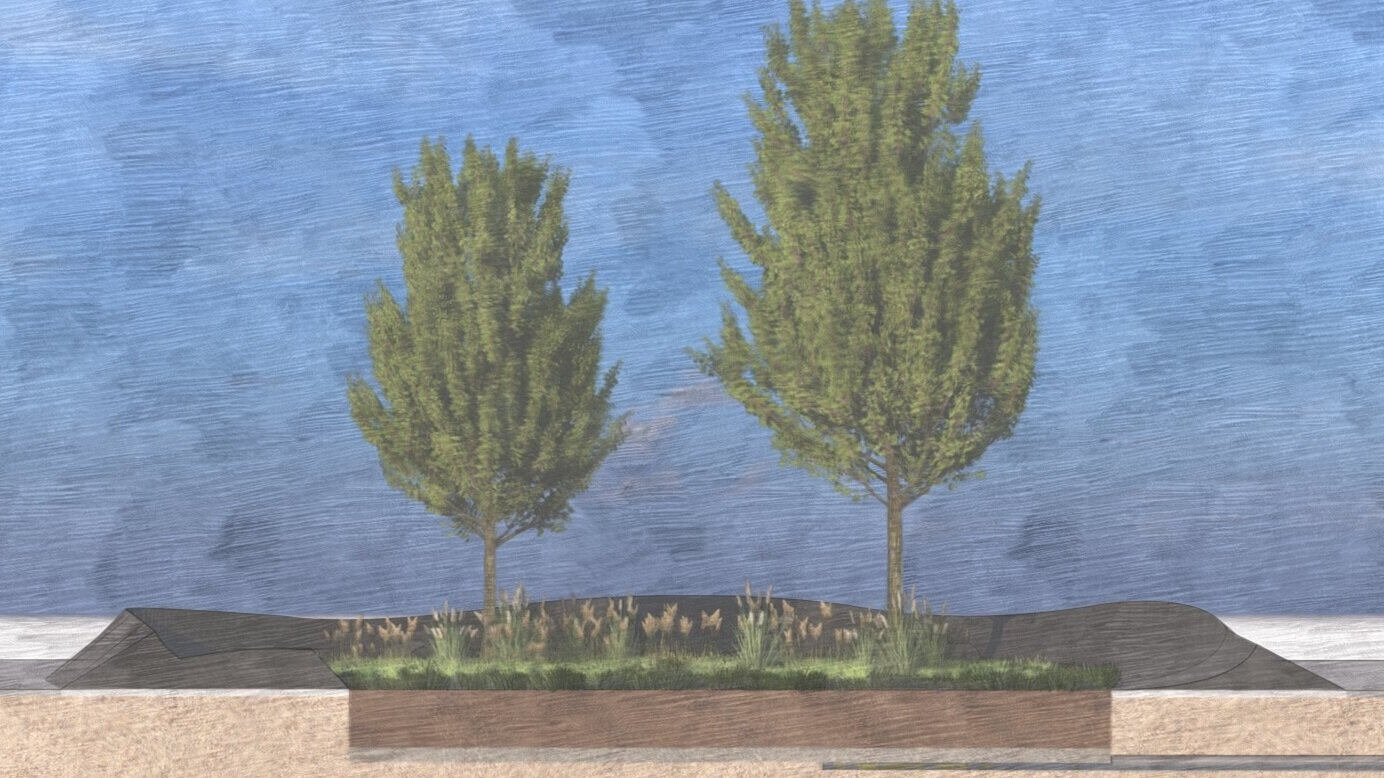
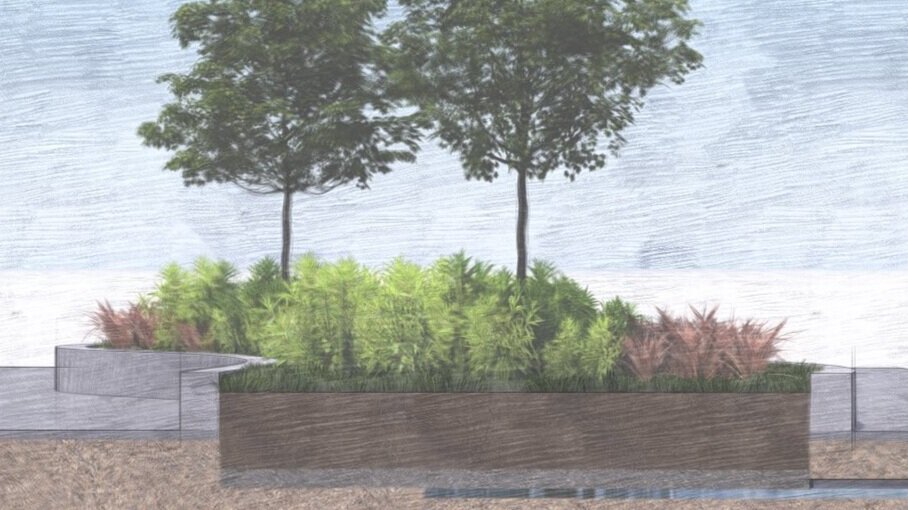
Large planter beds allow for formation of complex root structures
Increases infiltration and gives water a positive use a built environment
Utilizes shape of features to sheet water into basins
Vegetation filters water before returning to natural system
Out-pipe beneath the beds brings water to a more desirable location
Actively demonstrates how we can positively interact with nature
Reaffirms the principle that action sports aren’t inherently destructive